Focus on heavy equipment
Focus on heavy equipment


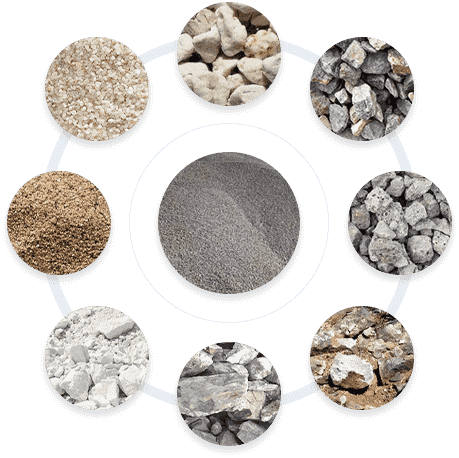
Phosphate rock or phosphorite is a non-clastic sedimentary rock that contains large amounts of phosphate minerals. In order to effectively utilize phosphate ore, it must be dried to reduce its moisture content and improve its overall quality.

The most efficient way to dry phosphate rock is with a phosphate rock dryer. Phosphate rock dryers are specifically designed to handle the unique properties of phosphate rock, including its high moisture content and abrasive nature. By subjecting the phosphate rock to controlled heat and airflow, phosphate rock dryers can effectively remove excess moisture and produce a more uniform product. In addition to improving the quality of the phosphate rock, drying has several other benefits. For example, drying helps reduce the risk of contamination and deterioration during storage and transportation. It can also extend the shelf life of the phosphate rock and make it easier to handle and process.
Once dried, phosphate rock can be used for a variety of purposes. One of the most common applications of phosphate rock is in the agricultural sector, where it is used as a primary ingredient in fertilizers. Phosphate rock contains high concentrations of phosphorus, a nutrient that is essential for plant growth and development. By incorporating phosphate rock into fertilizers, farmers can improve soil fertility and increase crop yields. In addition to its role in agriculture, phosphate rock is also used in the production of animal feed supplements. Phosphorus is essential for the growth and development of livestock, and adding phosphate rock to animal feed helps ensure that animals receive the nutrients they need for optimal health and productivity. Phosphate rock is also a key ingredient in the manufacture of industrial products such as detergents and other cleaning agents.
In conclusion, phosphate rock is a versatile and valuable resource. With the help of phosphate rock dryers, phosphate rock can be effectively processed and used in a sustainable and efficient manner.
Desulfurization gypsum from power plants is an industrial by-product of flue-gas desulfurization. Characterized by high moisture content and a tendency to clump, it easily reabsorbs moisture and hardens when stockpiled. Long-term open-air storage not only
Foundries recycling used moulding sand often face one critical choice: standard single rotary dryer or three‑pass (triple‑drum) dryer. Both can dry reclaimed foundry sand, but their fit differs sharply based on your sand type, space, energy budget and qua
Many small limestone and heavy calcium carbonate processing plants have limited space and budgets. Large rotary drum dryers are unsuitable, and civil engineering modifications are expensive. Blindly investing in large equipment is not feasible for low-vol
Compared to standard industrial bentonite, the raw material used for cat litter demands much stricter processing standards. The finished product's market competitiveness hinges directly on factors such as clumping performance, dust levels, granule hardne