Focus on heavy equipment
Focus on heavy equipment


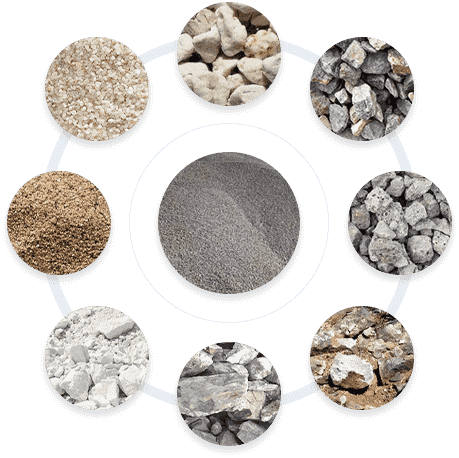
Aggregates, such as sand, gravel, and crushed stone, are essential materials in construction and infrastructure projects. Aggregates play a crucial role in various construction projects, from the building of highways and bridges to the creation of concrete foundations and structures.

The process of processing aggregates involves several steps to ensure that the materials meet the required specifications for the intended application. The first step is sourcing the raw materials, which can include crushed stone, gravel, sand, or recycled materials. These materials are then processed through crushing, screening, and washing to produce aggregates of different sizes and shapes. Crushing involves breaking down the raw materials into smaller pieces using machinery such as crushers. Screening is then used to separate the aggregates into different sizes, while washing helps remove any impurities or contaminants. One crucial step in the production of aggregates is drying, as it removes moisture content and improves the quality of the final product. Drying the aggregates before further processing helps to prevent issues such as segregation, mold growth, and reduced workability in concrete mixes. Aggregates dryers are designed to efficiently remove moisture from the materials using hot air or gas, ensuring consistent quality and performance.
Once processed, the aggregates are ready for use in construction projects. Aggregates are used in a wide range of applications in the construction industry. They are primarily used in concrete, where they make up the bulk of the mixture alongside cement and water. Aggregates provide structural integrity to concrete, enhancing its strength and durability. They also help reduce shrinkage and cracking in the finished product. In addition to concrete, aggregates are also used in asphalt mixtures for road construction, drainage systems, and landscaping. They can be used as a base material for foundations, roads, and parking lots, providing stability and support to the structures above.
Overall, the process of obtaining aggregates, including drying, plays a vital role in ensuring the quality and functionality of the building material. By following proper processing techniques, we can obtain better quality aggregates. Zhengzhou Jiutian Factory provides a full set of aggregate processing production line, welcome to contact us if you are interested in our equipment.
Desulfurization gypsum from power plants is an industrial by-product of flue-gas desulfurization. Characterized by high moisture content and a tendency to clump, it easily reabsorbs moisture and hardens when stockpiled. Long-term open-air storage not only
Foundries recycling used moulding sand often face one critical choice: standard single rotary dryer or three‑pass (triple‑drum) dryer. Both can dry reclaimed foundry sand, but their fit differs sharply based on your sand type, space, energy budget and qua
Many small limestone and heavy calcium carbonate processing plants have limited space and budgets. Large rotary drum dryers are unsuitable, and civil engineering modifications are expensive. Blindly investing in large equipment is not feasible for low-vol
Compared to standard industrial bentonite, the raw material used for cat litter demands much stricter processing standards. The finished product's market competitiveness hinges directly on factors such as clumping performance, dust levels, granule hardne