Focus on heavy equipment
Focus on heavy equipment


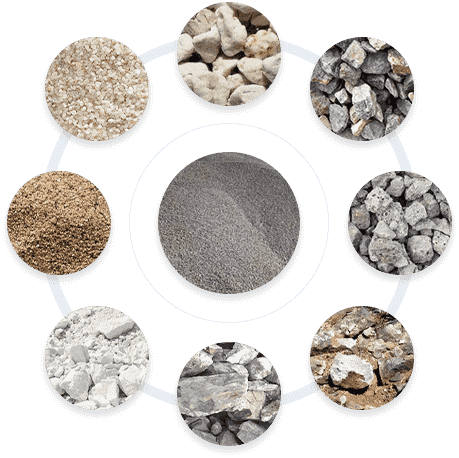
In modern mining operations, the management of tailings—waste materials left after ore extraction—has become a critical challenge. Proper handling of these tailings is essential to prevent environmental pollution and maximize resource utilization. One of the most effective solutions is the use of a tailings dryer, a specialized machine designed to reduce moisture content and enhance the reusability of tailings.

Why Use a Tailings Dryer?
Tailings typically contain a high percentage of water, making transportation, storage, and disposal difficult. If not properly treated, wet tailings can lead to serious environmental issues such as groundwater contamination, land degradation, and dam failures. A tailings dryer efficiently removes moisture from these materials, reducing their volume and improving their usability in industries such as construction, cement production, and even metal recovery.
Key Benefits of Tailings Drying Technology
Environmental Protection – By lowering moisture content, tailings dryers prevent water seepage and reduce the risk of hazardous waste contamination.
Cost Reduction – Dried tailings are easier and more economical to transport and store, saving businesses on logistics expenses.
Resource Utilization – Dried tailings can be repurposed as building materials, backfill for mining sites, or even recycled for valuable minerals.
Improved Safety – Properly dried tailings reduce the likelihood of dam failures and structural collapses, ensuring safer mining operations.
As a global expert in drying technology, Zhengzhou Jiutian specializes in manufacturing high-efficiency tailings dryers. With years of experience in industrial drying equipment, Jiutian’s tailings dryers offer advanced features such as energy-efficient heat sources, automated control systems, and customizable designs to meet the specific needs of mining companies. Zhengzhou Jiutian uses innovative technologies to ensure efficient drying while minimizing energy consumption and operating costs. Welcome to contact us for more detailed information.
Desulfurization gypsum from power plants is an industrial by-product of flue-gas desulfurization. Characterized by high moisture content and a tendency to clump, it easily reabsorbs moisture and hardens when stockpiled. Long-term open-air storage not only
Foundries recycling used moulding sand often face one critical choice: standard single rotary dryer or three‑pass (triple‑drum) dryer. Both can dry reclaimed foundry sand, but their fit differs sharply based on your sand type, space, energy budget and qua
Many small limestone and heavy calcium carbonate processing plants have limited space and budgets. Large rotary drum dryers are unsuitable, and civil engineering modifications are expensive. Blindly investing in large equipment is not feasible for low-vol
Compared to standard industrial bentonite, the raw material used for cat litter demands much stricter processing standards. The finished product's market competitiveness hinges directly on factors such as clumping performance, dust levels, granule hardne