Focus on heavy equipment
Focus on heavy equipment


Sand making machine is an indispensable equipment for producing machine-made sand. The quality of the sand making machine affects the quality of the entire sand and gravel production line. How to choose a suitable sand making machine?

1. Production needs
First of all, you need to clarify your production needs, including how many tons of sand and gravel output you need per hour. This will help you determine the size and type of sand making machine you need.
2. Raw material characteristics
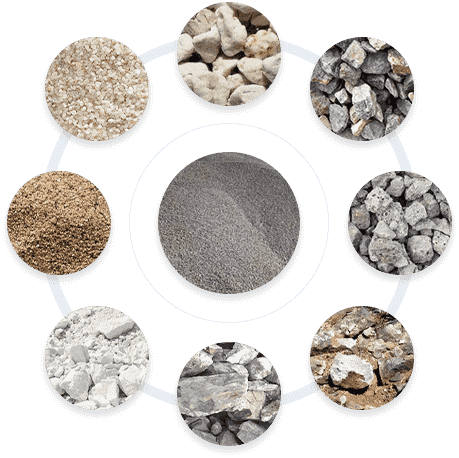
Consider the characteristics of the feedstock you plan to process, such as hardness, moisture, and particle size. Different types of sand making machines have different adaptability to different types of raw materials.
3.Sand making machine type
Choose the appropriate type of sand making machine based on your needs and raw material characteristics.
4. Energy consumption
Pay attention to the energy consumption of the sand making machine, especially the energy consumption cost under long-term operation. Choosing a sand making machine with high energy efficiency can help you save a certain amount of energy costs.
5. Equipment quality
Choose a well-known brand and reliable quality sand making machine, which can reduce the failure rate and extend the service life of the equipment.
6. Maintenance and service
Understand the maintenance requirements and warranty policy of the sand making machine, as well as the supplier's service support. Ensure you have timely access to repair and maintenance support to avoid production interruptions.
7. Cost budget
According to your budget constraints, choose a sand making machine with higher cost performance.
To choose a suitable sand making machine, you need to comprehensively consider many factors and ensure full investigation and comparison before purchasing to meet your production needs and obtain long-term economic benefits.
Desulfurization gypsum from power plants is an industrial by-product of flue-gas desulfurization. Characterized by high moisture content and a tendency to clump, it easily reabsorbs moisture and hardens when stockpiled. Long-term open-air storage not only
Foundries recycling used moulding sand often face one critical choice: standard single rotary dryer or three‑pass (triple‑drum) dryer. Both can dry reclaimed foundry sand, but their fit differs sharply based on your sand type, space, energy budget and qua
Many small limestone and heavy calcium carbonate processing plants have limited space and budgets. Large rotary drum dryers are unsuitable, and civil engineering modifications are expensive. Blindly investing in large equipment is not feasible for low-vol
Compared to standard industrial bentonite, the raw material used for cat litter demands much stricter processing standards. The finished product's market competitiveness hinges directly on factors such as clumping performance, dust levels, granule hardne