Focus on heavy equipment
Focus on heavy equipment


Sand dryers play a crucial role in enhancing the performance and quality of industrial sands by reducing moisture content to meet the stringent specifications required across various industries. These essential machines are involved in multiple processing steps, including the vital drying stage that ensures industrial sands meet specific chemical and physical criteria for applications ranging from construction materials to glass production and beyond.

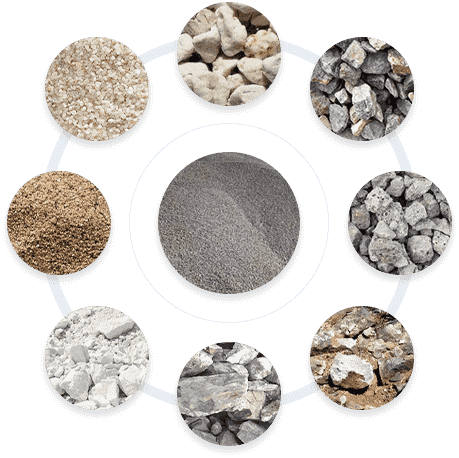
The versatility of sand drying equipment extends to various sectors, including mining, where they are indispensable for processing stone aggregates, wet sand, and silica sand, among others. Their broad applicability across different fields underscores the critical nature of sand dryers in not only facilitating but optimizing the use of sands in industries such as construction, chemical production, and manufacturing.
Frac sand drying technology is pivotal for enhancing the efficiency of hydraulic fracturing in the oil and gas sectors. By significantly reducing the moisture content of sand, frac sand dryers ensure the sand's optimal performance in hydraulic fracturing processes.
Sand dryers are essential across a range of applications that demand specific moisture levels for optimal performance. These applications include glass production, abrasives, foundry sand, chemical production, and more. Each application benefits from the precise moisture adjustment provided by advanced sand drying technologies, ensuring that materials meet the stringent requirements of diverse industrial processes.
As drying technology continues to advance, the sand dryer process will continue to improve, supporting a strong framework for industries that rely on high-quality sand.
Desulfurization gypsum from power plants is an industrial by-product of flue-gas desulfurization. Characterized by high moisture content and a tendency to clump, it easily reabsorbs moisture and hardens when stockpiled. Long-term open-air storage not only
Foundries recycling used moulding sand often face one critical choice: standard single rotary dryer or three‑pass (triple‑drum) dryer. Both can dry reclaimed foundry sand, but their fit differs sharply based on your sand type, space, energy budget and qua
Many small limestone and heavy calcium carbonate processing plants have limited space and budgets. Large rotary drum dryers are unsuitable, and civil engineering modifications are expensive. Blindly investing in large equipment is not feasible for low-vol
Compared to standard industrial bentonite, the raw material used for cat litter demands much stricter processing standards. The finished product's market competitiveness hinges directly on factors such as clumping performance, dust levels, granule hardne