Focus on heavy equipment
Focus on heavy equipment


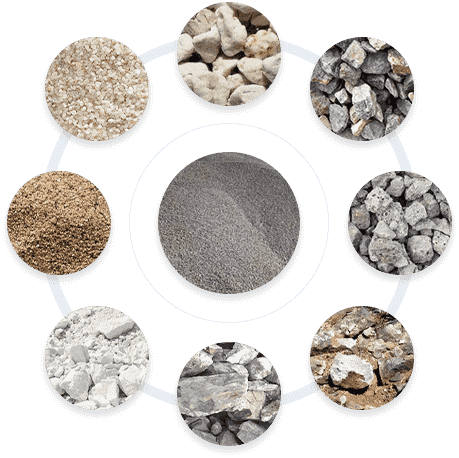
Silica sand is composed of silica, one of the most abundant minerals on Earth, and it comes in many forms and applications.
An important aspect to consider when using silica sand is that it needs to be properly dried before it can be used effectively in a variety of applications. Silica sand naturally contains moisture, which affects its performance and quality when used in various industrial processes. Excess moisture in silica sand can cause problems such as agglomeration, uneven particle distribution and reduced fluidity, all of which can affect the efficiency of the production process. Silica sand drying requires the use of a three-cylinder silica sand dryer. Drying silica sand helps remove excess moisture and ensures the sand is ready for a variety of applications. In addition to improving the physical properties of silica sand, drying also helps enhance its chemical stability. The dried silica sand particles are more uniform in size and shape, making them easier to control and operate in various manufacturing processes.

One of the most common uses of silica sand is in the manufacture of glass. Silica sand is a major component in glass production, providing clarity, strength and durability to the final product. It melts at high temperatures to form liquid glass, which can then be molded into different shapes and sizes.
Silica sand is also used to produce fiberglass, a lightweight and durable material that has applications in the construction, automotive and aerospace industries. In addition to glass and fiberglass production, silica sand is used in foundry casting, where it is mixed with clay and other materials to create metal casting molds. Silica sand enhances the performance of molds, allowing complex shapes and designs to be accurately cast.
Additionally, silica sand is used in the construction industry for a variety of purposes, including the production of concrete, mortar, and asphalt. It acts as a filler material, providing strength, stability and wear resistance to the final product. Silica sand is also used in the manufacture of ceramics, paints, plastics and rubber products. Its inertness and high melting point make it ideal for high temperature applications such as refractory bricks, furnace linings and insulation.
Overall, silica sand plays a vital role in modern industry, providing essential properties and functionality to a variety of products and processes. Its versatility, richness and unique properties make it a valuable resource with multiple applications in various economic sectors.
Desulfurization gypsum from power plants is an industrial by-product of flue-gas desulfurization. Characterized by high moisture content and a tendency to clump, it easily reabsorbs moisture and hardens when stockpiled. Long-term open-air storage not only
Foundries recycling used moulding sand often face one critical choice: standard single rotary dryer or three‑pass (triple‑drum) dryer. Both can dry reclaimed foundry sand, but their fit differs sharply based on your sand type, space, energy budget and qua
Many small limestone and heavy calcium carbonate processing plants have limited space and budgets. Large rotary drum dryers are unsuitable, and civil engineering modifications are expensive. Blindly investing in large equipment is not feasible for low-vol
Compared to standard industrial bentonite, the raw material used for cat litter demands much stricter processing standards. The finished product's market competitiveness hinges directly on factors such as clumping performance, dust levels, granule hardne